AMBULANCE MATTERS June09
 Winter Chills
As the weather begins to cool we begin to dust off the fireplace and bring out the heaters, not to mention increase the rate of warm breakfasts. If we have new additions to the family or young visitors that might not be aware of the dangers of heat and sparks/coals, it might serve as a timely reminder to ensure we have strategies set in place around our household to protect our precious little ones.
Every year, it is a sad fact that many children of varying ages fall victim to heat related burns from heaters, fireplaces and kitchen cooking that seemingly could have otherwise been avoided with a little forethought and care. All it takes is for a reach of the hand or a flying ember from a crackling fire that can lead to serious injury. Please take a moment to walk around your house and ensure that fireplaces are barricaded from a safe distance and that heaters are not left plugged into the wall when not in use. It only takes seconds when you’re not looking to cause a serious burn. Installing safety gates to block off the kitchen area are great for preventing little hands from grabbing pot handles that protrude over the bench cook tops. It is also important to ensure cords of cooking implements are not left hanging over the benches. These are all things of interest to a young investigative child who has no idea of the subsequent danger at the other end.
In the unfortunate event that someone does get burnt, it is important that the area is cooled as quickly as possible as the affected tissue usually continues to burn for some time following the original incident. The most effective method is to douse the area with clean cool running water for approximately twenty minutes. If there is no running water available, then ice or a bucket of water may be used. Do not apply ice directly to the area as this may cause further damage. Cover ice or an ice pack in thin material to create a barrier between ice and skin and beware not to excessively cool the casualty as this could complicate their condition. If possible, remove any loose clothing from the affected area but do not attempt to remove material that is sticking to the burn. Any jewellery that may later be affected by swelling should also be removed. If available, cover the dressing with a burns dressing or with a clean wet cloth or sheet. It is important that this dressing then be kept moist and frequently cooled with fresh water. This dressing will reduce risk of infection; draw heat from the burn; reduce pain by covering exposed nerve endings from air and by being moist will not stick to the burn. If a dressing is applied to the burn, ensure water is continually applied to keep the burn cooled. In the case of severe burns or burns covering a large area of the body, provide the above first aid ensuring 000 is immediately called for an Ambulance as these burns require urgent trained medical attention. If medical care is not available within 30 minutes, remove the moist dressing and apply a clean dry dressing to avoid over cooling. Never apply creams or lotions or attempt to clean deep burns or break blisters.
To learn how to competently apply First Aid to these types of casualties and many other useful First Aid skills that could potentially save someone’s life…….consider doing a First Aid Course. The Queensland Ambulance Service runs regular First Aid Courses of all levels and at various locations throughout Brisbane and Queensland. For more information on completing a First Aid Course you can phone 1300 369 003 or visit our website www.ambulance.qld.gov.au and go to the First Aid link.
Chresten Reville
To learn how to competently apply First Aid to these types of casualties and many other useful First Aid skills that could potentially save someone’s life…….consider doing a First Aid Course. The Queensland Ambulance Service runs regular First Aid Courses of all levels and at various locations throughout Brisbane and Queensland. For more information on completing a First Aid Course you can phone 1300 369 003 or visit our website www.ambulance.qld.gov.au and go to the First Aid link.
Chresten Reville
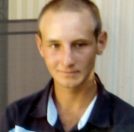
A/OIC QAS Dayboro